Practical support. Shared practice.
Community First Aid
What is CFA?
A Culture of Care & Community of Practice
Community First Aid is a comprehensive support model for workplaces and communities. It combines practical training, peer support, regular team practice, and post-incident care so people are better equipped to support one another before, during, and after difficult moments. Rather than functioning as a one-time training, CFA builds these practices into everyday operations so they become part of how a team works, responds, and cares for its people over time.
Resilience Circles
Regular spaces for teams to reflect, practice, and strengthen how they respond to stress and pressure together.
Peer Navigator Networks
Trained peers who offer support, help people find the right resources, and strengthen connection within the community.
Postvention Support
Structured support after critical incidents, including guided debriefs, follow-up, and clear pathways to additional care.
Why this matters
Stress Doesn't Stay at Work
Workplace stress affects teams, families, retention, service quality, and the wider community. When stress is part of the job, support has to be built into the system.
46%
of hospitality workers have left a job because of burnout
76%
of U.S. workers report at least one mental health symptom
84%
say workplace stress affects their personal relationships
CFA puts many of the U.S. Surgeon General's workplace well-being recommendations into practice.
View the Surgeon General's Framework →
Why support pays off
The Value of a Supported Workforce
When people feel supported, organizations see stronger engagement, better retention, and healthier teams.
Employees who feel supported in their mental health are twice as likely to report no burnout or depression.
Source: Mind Share Partners, 2023
Workplace mental health and well-being programs can generate measurable returns through reduced costs and improved productivity.
Source: Deloitte
Employees who feel strongly connected at work are significantly more engaged and less likely to leave.
Source: Gallup
Who CFA is built for
When Stress Is Built Into the Job, Support Has to Be Built Into Operations
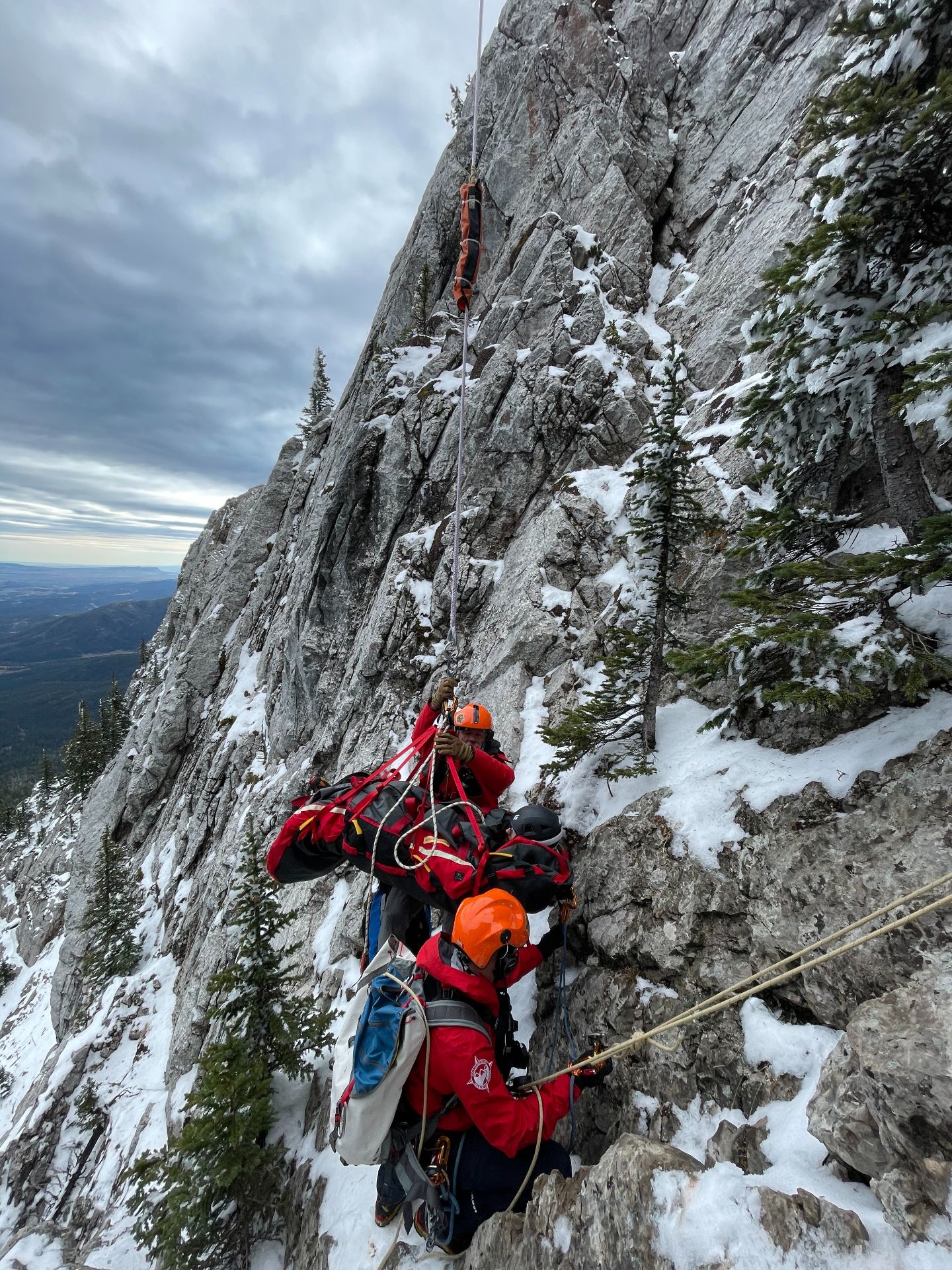
CFA is built for teams in hospitality, healthcare, public safety, education, search and rescue, and community organizations—places where stress is part of the work. It's not about removing the stress. It's about continuing to show up for the work, for ourselves, for our families, and for our communities.
“It was a good reminder to incorporate these tools into my life. All of the tools felt really simple and easy to do with just a few seconds of time.”
From training to practice
How CFA Works
Four connected steps that turn training into everyday practice.
- 01
Train
Build practical skills for responding to stress, overwhelm, and difficult moments.
- 02
Embed
Integrate peer support, resource pathways, and shared practices into daily operations.
- 03
Practice
Reinforce skills through regular reflection, repetition, and team practice.
- 04
Support
Provide structured post-incident support and clear pathways to additional care.
Evidence-informed
Grounded in Established Practices
CFA draws from established practices in emotional first aid, peer support, trauma-informed care, and workplace well-being—adapted for real teams.
Explore Our Approach →What people say
From the field
Explore what's possible
Bring Community First Aid to Your Organization
CFA is designed for teams working in environments where stress, responsibility, high-stakes moments, and care are part of the job. We'll help you explore what support could look like within your existing team and operations.
Start a Conversation